
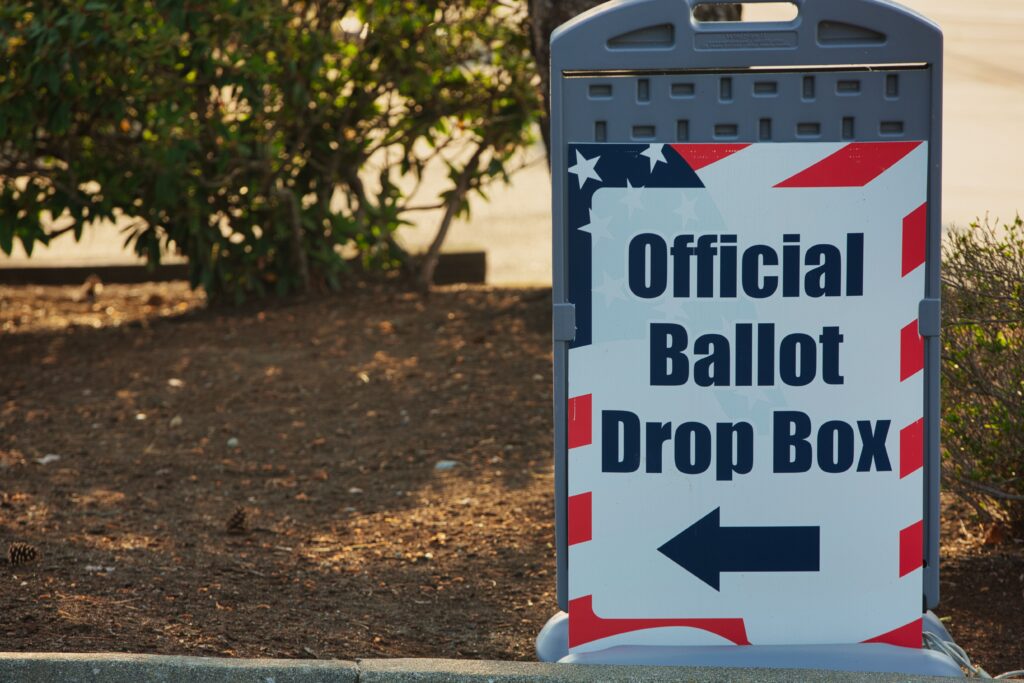
School budgets rarely make for exciting dinner table conversation. But free full-day kindergarten, school nurses, classroom sizes and the activities kids love? Those are things families notice.
For Peoria Unified School District families, two ballot measures on Nov. 3, 2026, could affect school programs and how the district manages its properties. With $21 million in budget reductions already approved, the decisions carry real consequences.
$21 Million Down. What Happens Next?
After voters rejected a budget override renewal in 2025, Peoria Unified approved $21 million in reductions for 2026-27, including $11 million in operating cuts. The plan includes employee furloughs, staffing adjustments and increased athletic and activity fees.
Proposition 428 asks voters to continue a 13% maintenance-and-operations override, funding the district has relied on since 1996 to support staff and student programs.
“If Proposition 428 does not pass, Peoria Unified faces approximately $22 million in additional reductions over the next two years as the remaining override funding continues to decline and is ultimately eliminated,” Governing Board President Jeff Tobey says. “The first round of cuts was about finding ways to operate with less. The next round becomes a conversation about what we are willing to do without.”
When School Cuts Become Family Costs
Free full-day kindergarten is among the programs potentially affected. Arizona funds half-day kindergarten, while Peoria Unified uses additional resources, including override dollars, to provide the full-day experience without charging tuition.
Losing that program could leave parents paying for childcare or rearranging work schedules.
School nurses, teachers and classroom support could also face reductions, potentially leading to larger classes and fewer health resources.
Art, music, athletics and extracurricular activities aren’t immune. Some programs have already experienced staffing adjustments, and the district has approved increased participation fees.
“Families see the value of these investments every day, whether it is in a kindergarten classroom, on a stage, on a field, or in the individualized support a student receives,” Governing Board Clerk Becky Proudfit says. “They are part of the educational experience our community has come to expect.”
Future cuts have not all been finalized, but district leaders say additional reductions would be necessary without renewed funding.
What Would Proposition 428 Cost?
Peoria Unified projects Proposition 428 would generate approximately $32.8 million in fiscal year 2027-28.
For a home with the district’s average limited property value, the district estimates an additional annual tax cost of about $85 compared with the current phased-down override rate. Individual costs would vary.
A yes vote would continue the override. A no vote would allow the remaining funding to phase out.
Proposition 429: A Different Decision
While Proposition 428 addresses operating funding, Proposition 429 concerns two district properties in Glendale: the District Administration Center and Kachina Elementary School.
The measure would authorize the Governing Board to sell, lease or exchange those properties without requiring a transaction.
A yes vote would provide that authority. A no vote would require the district to seek voter approval again.
Unlike Proposition 428, Proposition 429 is not an operating-tax measure. Proceeds could be used for legally permitted purposes, including paying outstanding bonds, reducing secondary property tax rates or funding qualifying capital expenses.
“As enrollment and demographics change, the district needs practical tools to manage facilities responsibly,” Proudfit says. “Proposition 429 gives the board the ability to evaluate opportunities that could reduce overhead, support future programs, and benefit the communities that view their neighborhood schools as vital assets.”
Beyond the Budget Numbers
Peoria Unified received a clean independent financial audit for fiscal year 2025, with no financial-statement or federal-award findings. Its financial reports are publicly available.
“Fiscal responsibility means looking for efficiencies, making difficult reductions when necessary, and being transparent with taxpayers,” Tobey says. “But the question before voters is also about the kind of schools and opportunities they want available for students.”
For Peoria families, the effects could eventually show up in familiar places: the classroom, the nurse’s office, the after-school schedule and the household budget.
Insider Takeaways
- Two measures, two purposes. Proposition 428 concerns operating funding, while Proposition 429 addresses district property management.
- Cuts are already approved. Peoria Unified adopted $21 million in reductions for 2026-27, including furloughs, staffing adjustments and increased activity fees.
- More reductions are possible. District leaders project approximately $22 million in additional cuts over two years without renewed override funding.
- Families could feel the difference. Free full-day kindergarten, nursing services, classroom staffing and extracurricular programs could face further reductions.
- There’s a taxpayer consideration. The district projects $32.8 million in override revenue for 2027-28 and estimates an additional annual cost of about $85 for a home with its average limited property value, compared with the phased-down rate.
- Proposition 429 wouldn’t require a sale. It would authorize the board to consider transactions involving two designated properties.
To learn more, visit peoriaunified.org/page/2026-election.