
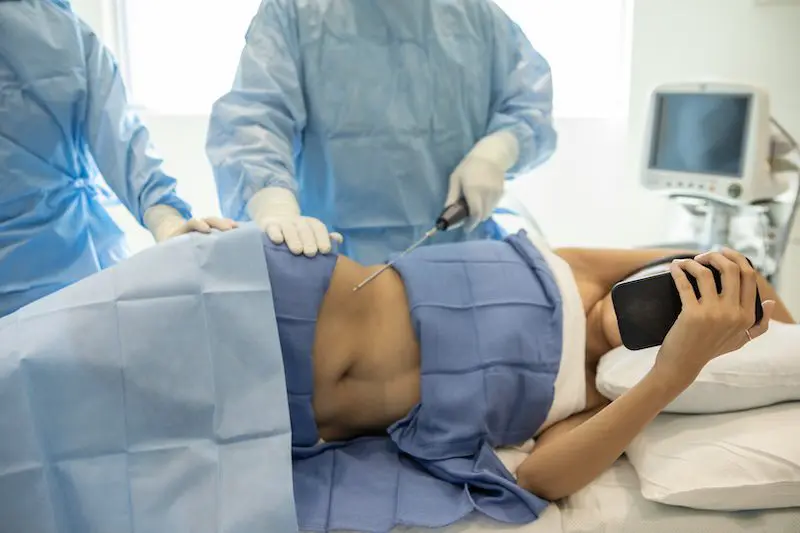
More than 1.8 million robotic-assisted surgeries were performed globally in 2022, and the AI-based surgical robotics market is projected to reach $25.2 billion by 2030. While robotics have long been dominated by fields like urology and orthopedics, plastic and reconstructive surgery is rapidly emerging as the next frontier. Between 2016 and 2024, six FDA-cleared AI and machine-learning devices were approved for the specialty, with studies showing algorithmic accuracies near 88 percent across surgical applications. From predictive planning to robotic precision, AI is transforming plastic surgery into a discipline where data-driven insight enhances surgical artistry.
“AI isn’t here to replace surgeons; it’s here to expand what we can do,” says Dr. Oren Tessler, MD, a board-certified plastic and reconstructive microsurgeon and founder of Defyne Plastic Surgery in Scottsdale. “The goal is precision, safety, and better outcomes without losing the human artistry that defines our field.”
From predictive analytics to virtual surgical rehearsals, artificial intelligence is beginning to help surgeons deliver more consistent, natural, and individualized results. According to Dr. Tessler, the key lies in how data and design can work together to make surgery both safer and smarter.
How AI is poised to reshape plastic surgery in the years ahead:
- AI-powered “try before you cut” simulations: Advanced imaging and deep learning will soon allow surgeons to show patients hyper-realistic previews of surgical results. Future systems may even let patients “step into” their post-op selves in virtual reality before deciding on a procedure.
- AI-assisted robotic precision: Next-generation surgical robots combining machine learning with real-time imaging will enhance accuracy and stability during complex reconstructive and aesthetic procedures, reducing human error and tissue trauma.
- Predictive analytics for personalized planning: AI will analyze large datasets of past surgical outcomes to predict how individual patients may respond to specific techniques or materials, helping surgeons tailor each procedure to optimize recovery and reduce risks.
- Smart postoperative monitoring: AI-driven wearables and sensor-embedded dressings will track healing progress, detect early signs of infection or swelling, and alert clinics before complications develop.
- Automated outcome assessment: Algorithms can objectively evaluate before-and-after photos to measure improvements in proportion, symmetry, and scar quality, helping surgeons refine technique and patients better understand results.
- Custom implant and graft design: Generative AI will use patient scans to design implants and grafts that match each individual’s anatomy, potentially 3D-printed on-site for faster, more personalized reconstruction.
- Virtual and augmented reality for surgical training: AI-enhanced VR and AR platforms will allow surgeons to plan, practice, and perfect complex procedures in immersive environments before entering the operating room.
- AI chatbots and virtual twins for patient guidance: Digital assistants will help patients prepare for surgery, track recovery, and follow care instructions, while “virtual twins” simulate healing to predict and improve outcomes.
“Adaptability will define leadership in modern medicine,” says Dr. Tessler. “We’re entering an era where technology will empower both the surgeon and the patient. Those who embrace it responsibly will shape the future of aesthetic and reconstructive care.”
As artificial intelligence continues to advance, experts like Dr. Tessler say the true measure of progress will not be in automation but in elevation—helping surgeons refine precision, safety, and artistry in equal measure.