Senior living in 2026 is undergoing a structural shift shaped by forces too large to ignore: a historic rise in aging adults and a caregiving workforce that continues to thin. Communities are rethinking how care is delivered, how staff are supported, and how dignity can remain central in an increasingly technical landscape. The result is a quieter but more profound evolution, one that places privacy, prevention, and clarity at the forefront of daily operations.
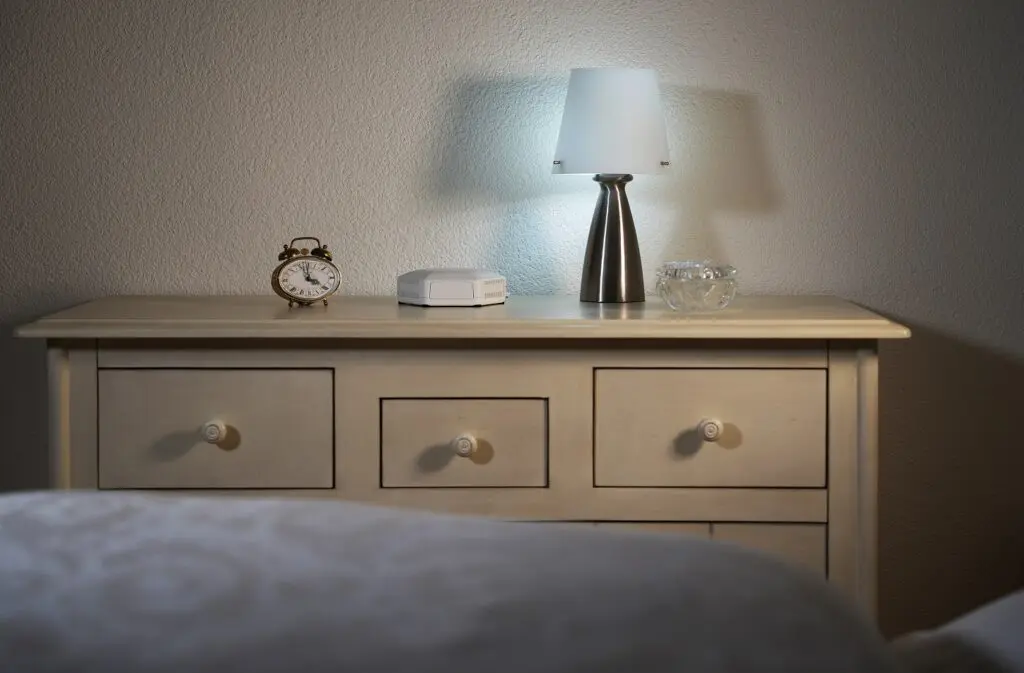
In Arizona, much of this momentum is visible through the work of Scottsdale-based Age-Tech founder Sandro Cilurzo. His company, Helpany, has introduced a radar-based monitoring device named Paul that detects fall risks and subtle health changes without relying on cameras or audio. The approach signals a broader industry correction: innovation that protects residents without intruding on their personal space.
Cilurzo points to a set of emerging themes that are defining where senior living is headed and why this moment matters. These trends are not abstract forecasts but realities communities are navigating in real time.
Insider Takeaways: Key Trends Reshaping Senior Living in 2026
- Privacy-first care becomes the expectation. Communities are moving away from camera-based monitoring and adopting AI that operates without images or audio, preserving dignity while still providing actionable safety insights.
- AI steps in as essential workforce support. With staffing shortages intensifying, operators are turning to tools that automate documentation, streamline routine tasks, and help caregivers focus on meaningful, hands-on care.
- Communities push for a unified platform across all care levels. After years of fragmented systems, operators want one solution that spans Independent Living, Assisted Living, Memory Care, and Skilled Nursing, reducing training burdens and improving workflow consistency.
- Care shifts from reactive to predictive. AI-driven insights allow staff to detect changes in mobility, behavior, or routine early, creating opportunities to intervene before falls or emergencies occur.
- Families expect transparency that does not compromise dignity. Adult children want real-time visibility into well-being, but they are rejecting surveillance-based tools in favor of solutions built around privacy-by-design.
- Radar-based monitoring emerges as a model for respectful innovation. Devices like Helpany’s Paul demonstrate how early detection and privacy can coexist, offering communities a path that strengthens safety while honoring personal space.
Taken together, these trends mark 2026 as a pivotal year — one where communities lean toward tools that deepen insight without compromising trust, and where technology begins to feel less like oversight and more like thoughtful support. It is a shift that suggests the future of senior living will not only be smarter, but more attuned to the humanity at its core.
For more information, visit helpany.com.